Open source · Audited · v0.9 beta
Browse dark.
Ship clean.
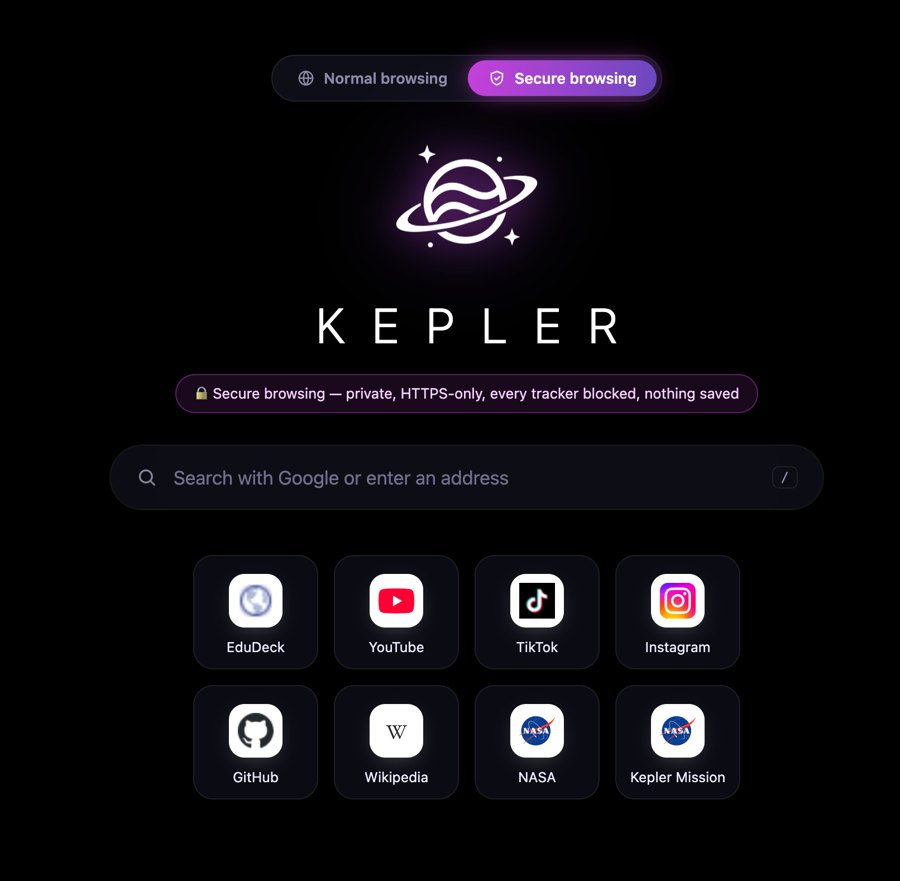
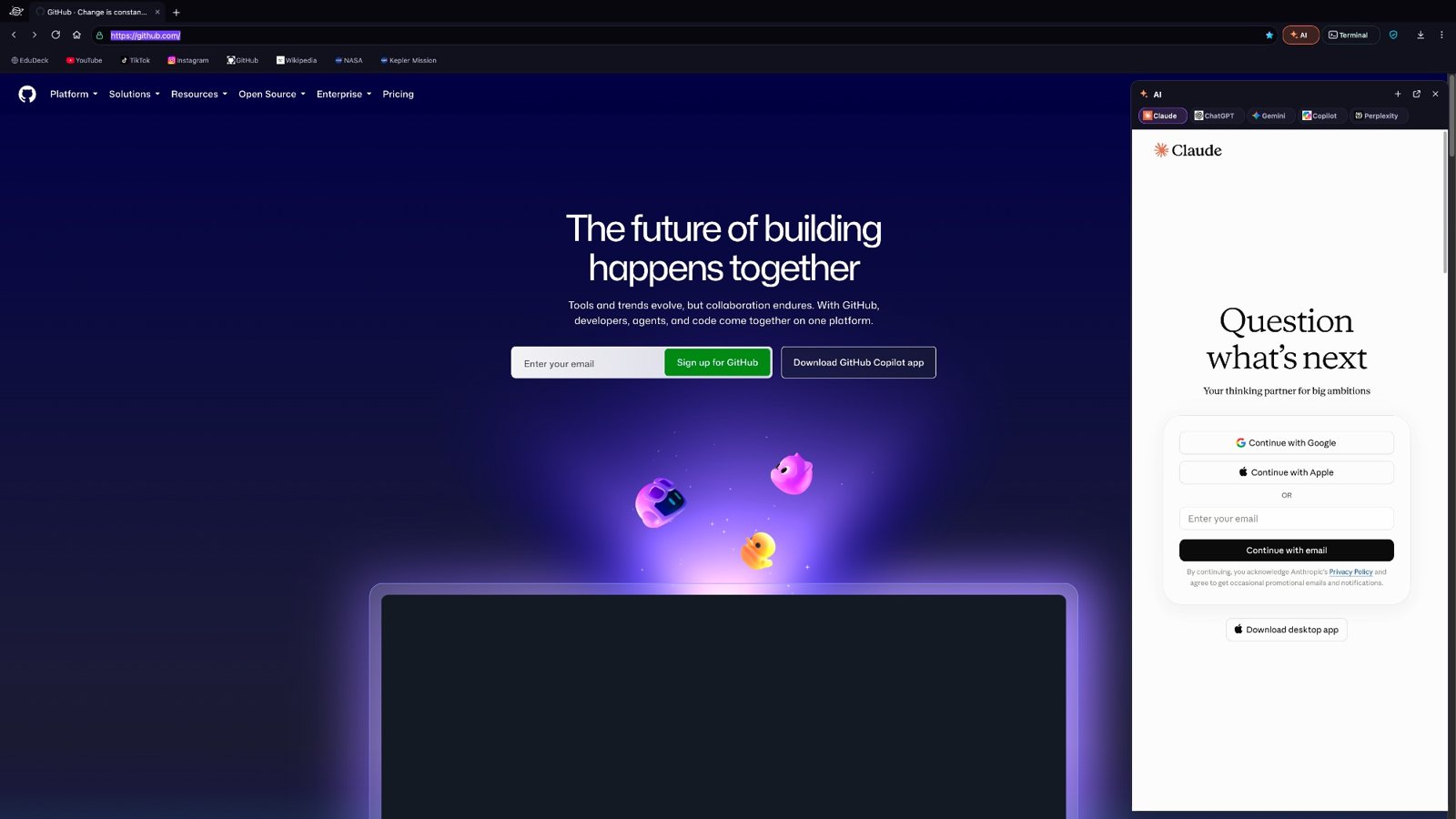
Kepler is a browser for people who read the source. Every tab runs in its own sealed process, every request is accountable, and the whole thing is a reproducible build you can rebuild yourself in about eleven minutes.
Anonymous by default
No face. No name. No trail.
Like a mask in a crowd, Kepler makes you indistinguishable. Fingerprint flattening, sealed tabs and optional orbit relays mean the sites you visit see a Kepler user — never you.
- Every Kepler user presents the same fingerprint — canvas, fonts, timezone and screen.
- Cookies and storage die with the tab unless you say otherwise.
- Orbit relays hide your IP address behind three volunteer hops.
- No account, no sign-in, no sync server that knows who you are.

Built for liftoff
Engineered like a launch vehicle.
Rockets don't get a second try, so every stage is tested before it flies. Kepler is built the same way: a Rust engine that starts cold in under a second, and a release pipeline where nothing ships until it's verified.
- Cold start in under a second, even with a hardened profile.
- Memory-safe Rust in the parsers, network stack and sandbox broker.
- Every parser is fuzzed continuously before a release leaves the pad.
- Signed, reproducible builds — same commit, same bytes, every launch.

Ready when you are
Point it at the dark and go.
Free, open source, and quiet by default.